
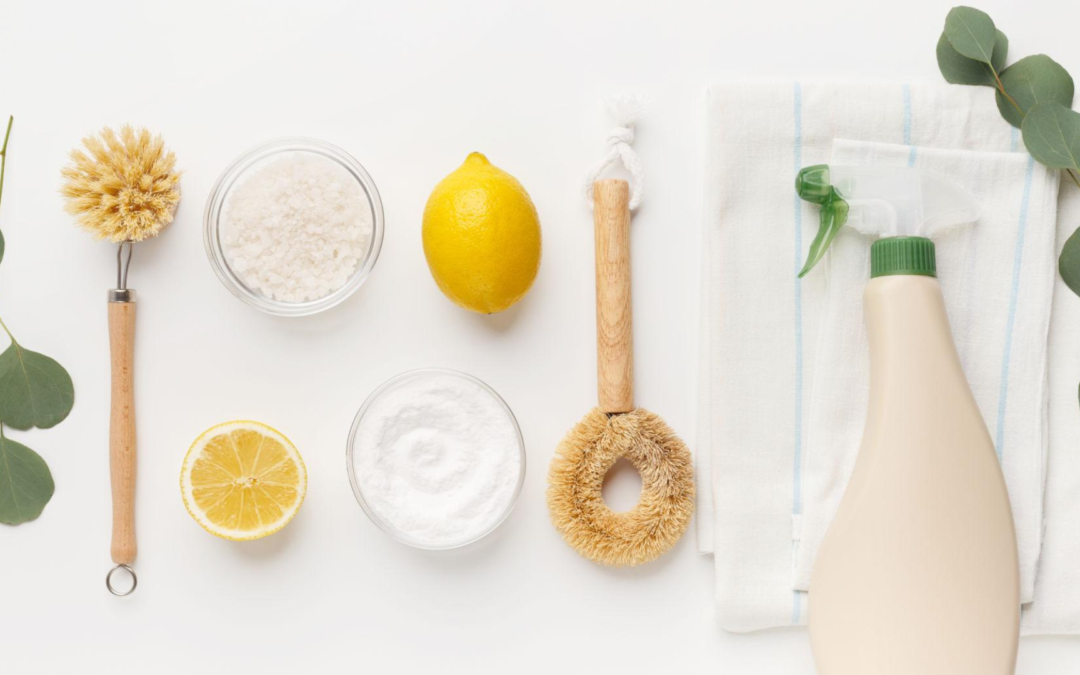
You open the windows, pull out the cleaning supplies, and start scrubbing. It feels productive. But what if the very products you’re using to “clean” your home are adding to the toxic burden your body is already fighting? Every spring, people go into declutter mode. They organize closets, deep clean kitchens, and toss expired products. But most never think about the invisible chemicals sitting under their sinks, in their laundry rooms, and on their skin. Reducing your toxic load isn’t about being perfect. It’s about making smarter swaps that your body can feel.
Why Your Toxic Load Matters More Than You Think
Your body processes toxins every single day. Your liver, kidneys, skin, and lymphatic system work around the clock to filter out what doesn’t belong. But when the input exceeds what your detox pathways can handle, things start to break down. These aren’t random complaints. They’re your body telling you the bucket is full.
- Brain fog that won’t lift
- Skin that flares without explanation
- Fatigue that sleep doesn’t fix
- Hormones that feel completely off
- Digestive issues that seem to come out of nowhere
And here’s what most people miss: it’s not one big exposure that does the damage. It’s the accumulation. The daily shampoo. The scented candle burning for hours. The nonstick pan heated on the stove. The conventional cleaner sprayed on every surface. Each one is a small drop. Together, they overflow the bucket. Spring is the perfect time to reset because you’re already in the mindset of clearing out what no longer serves you. Your home is the place where you can actually control what you’re exposed to. That’s powerful.
The Five Root Causes Most People Never Address
Most people don’t realize how many products they use daily that contain endocrine disruptors, respiratory irritants, and compounds that burden the liver. Here are the five categories worth looking at first.
- Cleaning Products
Conventional cleaners are some of the most toxic items in your home. Bleach, ammonia, and synthetic fragrances release volatile organic compounds that irritate the lungs and burden detox pathways. That “clean” smell? It’s often a cocktail of chemicals your body has to process. Swap for vinegar and baking soda for general cleaning, Branch Basics or Dr. Bronner’s for multi-purpose, and essential oil-based disinfectants like tea tree or lemon.
- Personal Care Products
Your skin is your largest organ, and it absorbs what you put on it. Conventional lotions, deodorants, shampoos, and makeup often contain parabens, phthalates, and synthetic fragrances that act as endocrine disruptors. These compounds mimic estrogen and interfere with hormonal signaling. Check products on the EWG Skin Deep database and start with what stays on your skin longest – moisturizer, deodorant, and sunscreen. - Cookware and Food Storage
Nonstick coatings release perfluorinated chemicals when heated. Plastic containers leach BPA and phthalates into food, especially when heated. These compounds are linked to hormonal disruption, immune suppression, and metabolic issues. Switch to cast iron, stainless steel, or ceramic cookware, and use glass food storage containers. Never microwave plastic. - Laundry Products
Fabric softeners, dryer sheets, and conventional detergents are loaded with synthetic fragrances and chemicals that cling to fabric. You wear those chemicals against your skin all day and sleep in them all night. Try fragrance-free or plant-based detergents and wool dryer balls instead of dryer sheets. Skip the fabric softener entirely. - Air Quality
Indoor air can be two to five times more polluted than outdoor air. Scented candles, air fresheners, and off-gassing from new furniture all contribute. Your lungs process this air constantly, and what you breathe directly impacts your inflammatory load. Use beeswax or soy candles with cotton wicks, open windows daily when weather allows, and consider a HEPA air purifier for bedrooms.
How to Start Without Overwhelm
Nobody needs to throw everything out today. That’s expensive and stressful, which adds a different kind of burden. Instead, work through this in phases.
- Phase 1: The Audit
Walk through your home and look at five zones – kitchen, bathroom, laundry room, bedroom, and living areas. Pull out products and check the ingredients. If the label says “fragrance” without specifying what that means, it’s hiding something. If you can’t pronounce most of the ingredients, flag it. - Phase 2: Replace as You Run Out
The easiest approach is to swap products naturally as they run out. When the dish soap is empty, buy a cleaner version. When the detergent runs out, try a plant-based option. This spreads the cost and makes the transition sustainable. - Phase 3: Address the High-Impact Items First
Focus on what touches your body longest or what you use most frequently. Moisturizer, deodorant, cookware, and laundry products are high-impact swaps. A one-time surface cleaner used once a week matters less than the lotion on your skin 24 hours a day. - Phase 4: Bring in Air and Water Support
Once the product swaps are underway, look at filtration. A quality water filter (This is Dr. Greg’s favorite, use code DRGREGHEALTH for a discount) and an air purifier (This is Dr. Greg’s favorite, click here to save up to 50%) address two of the biggest exposure routes.
What Changes When You Reduce Your Toxic Load
The shifts aren’t always dramatic at first. Some people notice better sleep within a week. Others see their skin clear up over a month. Energy levels stabilize. Brain fog starts to lift. Hormones begin to regulate without forcing anything. This is what happens when you stop flooding your system with compounds it has to fight against. Your detox pathways get breathing room. Your liver can focus on metabolizing hormones and processing waste instead of breaking down synthetic chemicals. Your immune system calms down because it’s not constantly reacting to irritants. It’s not about perfection. It’s about reducing the noise so your body can do what it already knows how to do.
Bringing It All Together – Conclusion
Picture this: you wake up energized, ready to greet each day with clarity and purpose. The symptoms that once held you hostage start to dissipate, becoming faint echoes of a past you’ve moved beyond. Spring cleaning isn’t just about aesthetics. It’s about creating an environment that helps your body heal instead of constantly defending itself. Every swap you make is one less drop in the toxic bucket. Over time, those swaps add up to something your body can actually feel. You don’t need to overhaul everything overnight. Start with one room. Make one swap this week. Then another next month. Your body keeps score, and it will thank you for every step you take. Ready to take the next step? Book an initial evaluation and let’s map out your toxic load, your detox capacity, and a plan that actually works for your life.