
Are you unknowingly harming your heart health by using common cooking oils? Many people believe that vegetable oils and low-fat cooking sprays are heart-healthy options, but increasing evidence suggests these oils may contribute to inflammation, oxidative stress, and strain on the cardiovascular system. In light of American Heart Month, it’s vital to understand which oils truly support your heart health and which ones may do more harm than good.
In this blog post, Dr. Greg Mongeon will shed light on the hidden dangers of certain cooking oils, particularly for women facing hormone imbalances, fatigue, and other metabolic challenges. You will learn about the negative effects of industrial seed oils, refined vegetable oils, and damaged fats on cellular health, cholesterol function, and inflammation, along with realistic alternatives that promote heart wellness.
Why Heart Health Requires More Than Just “Healthy” Labels
Understanding the impact of oils on heart health is important for making informed dietary choices. Many oils marketed as healthy are refined or chemically processed, which strips away nutrients and can compromise health. Industrial seed oils, for instance, are often high in omega-6 fatty acids that can promote inflammation, contribute to insulin resistance, and impact cardiovascular disease risk.
Also, the adverse effects of these oils extend beyond heart health. They have been shown to negatively influence hormonal balance, exacerbating symptoms such as fatigue, mood swings, and food cravings in women, particularly during perimenopause. It’s crucial to connect the dots between what we consume and how we feel, especially for those facing metabolic challenges.
Key Points to Consider
- Many cooking oils marketed as “heart-healthy” may actually drive inflammation.
- Common oils can have detrimental effects on hormonal balance, metabolism, and overall health.
- Making informed choices about fats can significantly improve heart health, energy levels, and wellness.
Practical Steps to Refine Your Oil Choices
Making the switch to healthier fats can be simple and easy with the right knowledge. Here are three actionable steps to consider for boosting your heart health while reducing inflammation:
1. Choose Whole Food Options
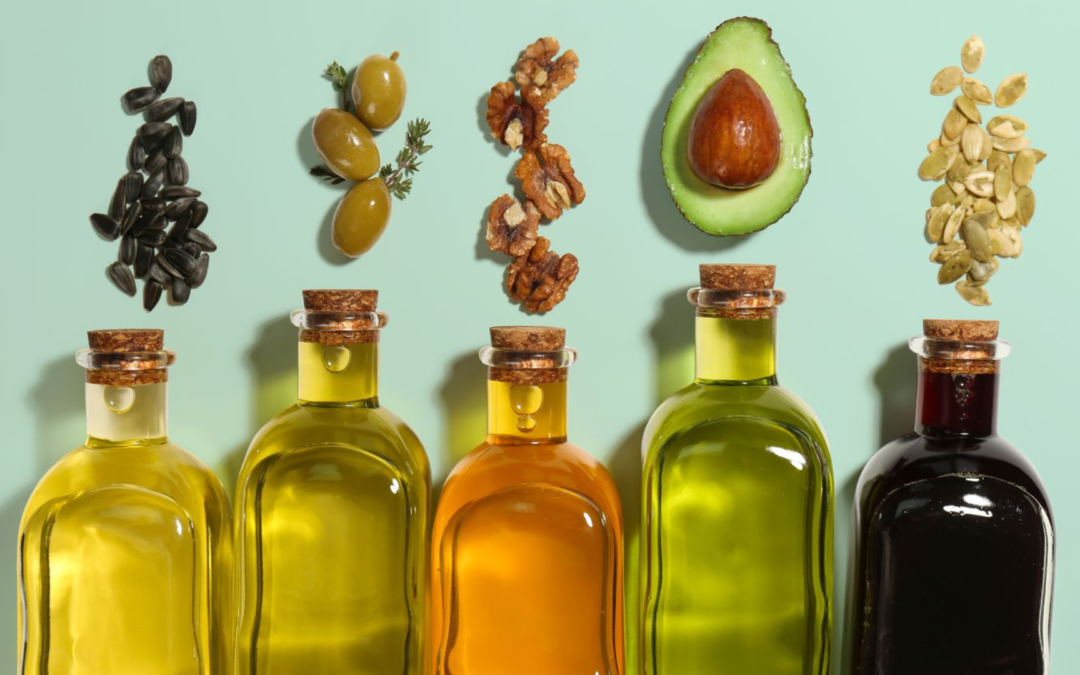
Opt for oils derived from whole foods like avocado, olive, and coconut. These oils contain beneficial nutrients and healthy fatty acids that support heart health. Avocado oil, for example, is high in monounsaturated fats and great for high-heat cooking.
2. Cook Mindfully
When possible, avoid overheating fats. Heat can damage oils, turning them into harmful substances that contribute to oxidative stress. Try to use oils raw for salad dressings or dips, and stick to lower temperatures when cooking or sautéing.
3. Read Labels Wisely
Don’t take “healthy” oil claims at face value. Learn to identify ingredients on labels, avoiding those that contain industrial seed oils or oils with unrecognizable names. Knowing what’s in your food lets you articulate to family and friends why certain oils are worth avoiding for long-term health.
Making these simple shifts is an approachable way to prioritize your heart health without requiring drastic lifestyle changes. And don’t forget, choosing oils rich in omega-3s and antioxidants is key to hunting down hidden inflammation in your diet.
Bringing It All Together – Conclusion
By taking informed steps toward healthy oil choices, you can significantly impact your heart health and overall well-being. The shift toward using wholesome fats can empower you to reclaim your energy and vitality, allowing you to fully engage in your life and family legacy.
Consider the possibilities: clearer energy, balanced hormones, and a stronger heart – all achievable by simply swapping out harmful oils for nourishing alternatives. You’re not only investing in your own health but also setting a positive example for those around you.
Take Action: Ready to take control of your health journey? Book an Initial Evaluation with Dr. Greg to uncover tailored solutions for your unique health needs. Together, we can pave the path to enduring well-being.